Explain the Differences Between the Layers of Gastrointestinal Tract
In the mouth and pharynx it consists of skeletal muscle that aids in swallowing. Layers of the Gastointestinal Tract.
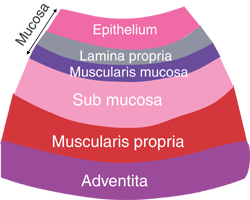
Oral The Histology Guide
Explain the differences between the layers of the gastrointestinal tract.
. The mucosa is the innermost layer of the gastrointestinal tract. The architecture of GI tract and its developmental features of different segments have been well defined. Biology questions and answers.
There is a hollow portion of the tube known as the lumen a muscular layer in the middle and a layer of epithelial cells. The epithelium of the mucosa is particularly specialized depending on the portion of the digestive system. The myenteric plexus is between the two muscle layers.
Connective tissue layer lying just below mucosa and contains many blood vessels and nerves. The epithelium lamina propria and muscularis mucosae. This layer comes in direct contact with digested food chyme.
Mechanical digestion starts in the mouth with the physical. The inner wall mucosa and submucosa layers is thrown into folds known as rugae or gastric folds which allow the stomach to distend upon the entry of the food. The structure of these layers varies in different regions of the digestive system depending on their function.
The muscularis muscularis externa is a layer of muscle. Large intestine has a lot more mucus so the love intestinal so has thick because a lamp and this is because water has been absorbed the mucus is required to lubricate feces toe. The first layer facing the intestinal lumen is made up of epithelial cells which is a single layer in the GI tract and is attached to a basement membrane.
The epithelium in the mouth pharynx esophagus and anal canal is stratified squamous epithelium that serves a protective function. The epithelium is the innermost layer. Gastrointestinal tract is an organ system in humans and other animals that take in food digest it absorb nutrients and expel it out in the form of feces Gastrointestinal Tract Diagram The gastrointestinal diagram given below represents the different parts of the tract that include the oral cavity oesophagus stomach intestines and the anus.
It is where most digestive absorptive and secretory processes occur. The mucosa or innermost of the GI tract is a mucous membrane. Above the diaphragm the outermost layer of the digestive tract is a connective tissue called adventitia.
Inner part is with circular muscles and outer part is with longitudinal muscles. The structure of these layers varies in different regions of the digestive system depending on their function. The innermost layer is the mucosa underneath this is the submucosa followed by the muscularis propria and finally the outermost layer - the adventitia.
You just marked these small and large and one more difference be will be. It surrounds the cavity lumen of the tract and comes into direct contact with digested food chyme. The mucosa of the remainder of the GI tract is a delicate layer of simple columnar epithelium designed for absorption and secretion.
The outer layer of the stomach wall is smooth continuous with the parietal peritoneum. They are mucosa submucosa muscularis and serosa. Several excellent review articles in this area are readily available 15.
Four layers of the Gastointestinal Tract The GI tract contains four layers. Gastrointestinal tract or GI tract has four layers. The nutrients that come from food are derived from proteins fats carbohydrates vitamins and minerals.
The key difference between muscularis layer of esophagus and stomach is that muscularis layer of the esophagus has two layers while muscularis layer of the stomach has three layers. The GI tract contains all the major organs of the digestive system in humans and other. Mucosa mucous membrane of the esophagus is composed of tough stratified abrasion-resistant epithelium.
Each layer is composed of different tissues. Explain the differences between the layers of the gastrointestinal tract. The innermost layer is the mucosa underneath this is the submucosa followed by the muscularis propria and finally the outermost layer - the adventitia.
It has generally the same structure throughout. The oesophagus is a muscular tube transporting food and liquid from the pharynx part of the throat behind the mouth and. In the rest of the digestive tract it consists of smooth muscle three layers in the stomach two layers in the.
An additional oblique muscle layer is present in wall of stomach. The main job of the mucosa is to secrete mucus that protects the stomach from its own acids. Duodenum Jejunumileum Colon Appendix Rectum Anal canal.
A bolus of food enters the stomach from the esophagus. In this layer small pores known as gastric pits are responsible for creating the acids that the mucosa protects the stomach from. It is made up of three layers.
Digested material from gut is absorbed and then loaded in blood and lymph. Be able to describe the layers in the wall of the digestive tract mucosa submucosa muscularis externa and adventitiaserosa and explain how they differ in the small and large intestines. The mucosa is made up of three layers.
These complex macromolecules must be broken down and absorbed in the gastrointestinal GI tract. Mucosa This is the innermost layer of the stomach. The gastrointestinal tract is essentially a tube that extends from the mouth to the anus.
The smooth muscle responsible for movements of the digestive tract is arranged in two layers an inner circular layer and an outer longitudinal layer. The GI tract contains four layers. These layers are responsible for maintaining the mucosal integrity of the tract.
Muscular layer has smooth muscle fibres. The mucosa surrounds the lumen or open space within the digestive tube. Two important functions of the digestive system are digestion and absorption.
The organs of the gastrointestinal tract contain layers of muscles enabling their walls to move food through the tract by a process called peristalsis allowing for the breaking down and absorption of food to take place. Be able to identify and know the general functions of the following regions of the GI tract. The gastrointestinal tract GI tract digestive tract alimentary canal is the tract or passageway of the digestive system that leads from the mouth to the anus.
It is composed of epithelium connective tissue lamina propria and a layer of smooth muscle muscularis mucosa.
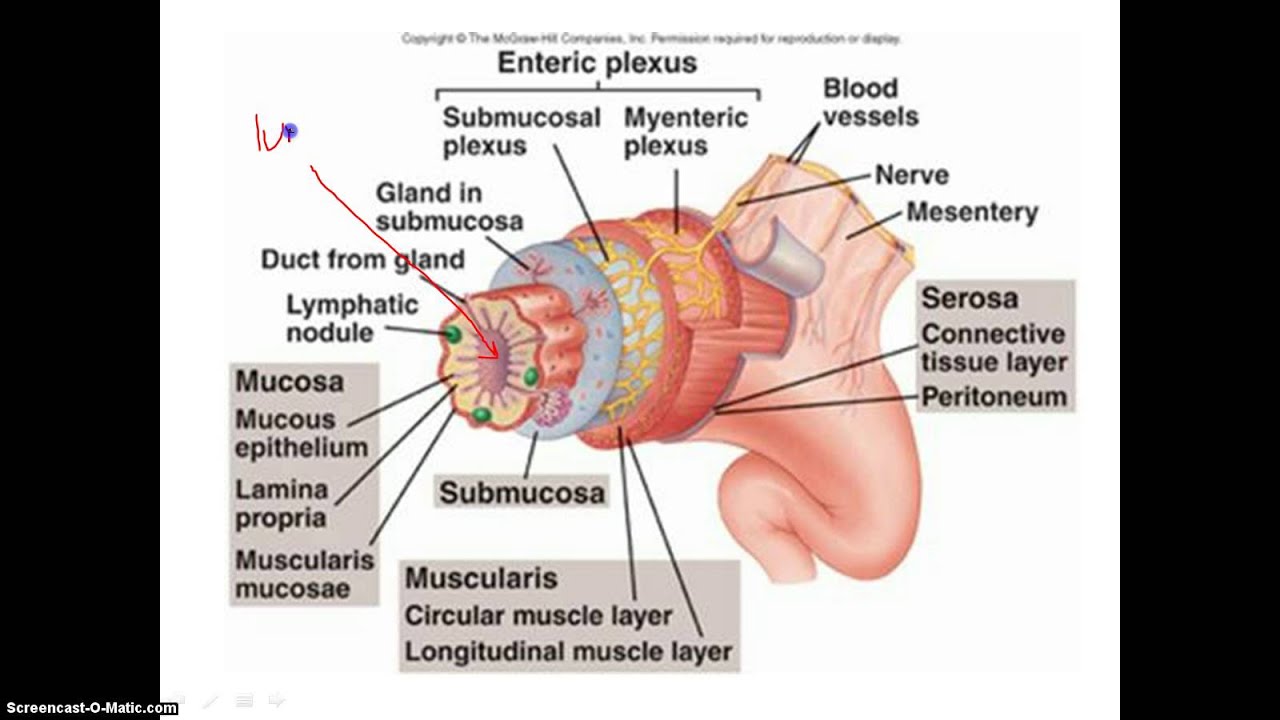
The 4 Layers Of The Alimentary Canal Youtube
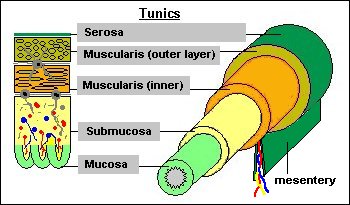
Microanatomy Of The Digestive Tube

Overview Of The Digestive System Anatomy And Physiology Ii

Layers Of The Gi Tract Adapted From 23 Download Scientific Diagram

Comments
Post a Comment